
A Healthy Start to the New Year
Simple Ways to Keep Little Ones Well

As we step into a brand‑new year, many families are thinking about fresh routines, new goals, and ways to keep their children healthy. At Lily Pad Childcare, we know that young children are still building their immune systems, which means germs can spread quickly—especially during the winter months. The good news is that small, consistent habits at home and at childcare can make a big difference. With a few simple practices, families can help their little ones stay healthy, confident, and ready to learn.
One of the most effective ways to prevent illness is also one of the simplest: handwashing. It may seem basic, but for young children, handwashing is a skill that needs to be taught, practiced, and encouraged. Turning it into a fun routine helps children stay engaged. Parents can sing a short song, count to twenty together, or use colorful soap to make the experience enjoyable. The key moments for handwashing include before eating, after using the bathroom, after playing outside, and as soon as children come home from childcare. These small habits add up and help reduce the spread of germs in a big way.
The second way is to teach children to keep their hands away from their faces. Toddlers and preschoolers naturally explore the world with their hands, which means they often touch their eyes, noses, and mouths without thinking. Gentle reminders can help them become more aware. Offering tissues, modeling good habits, and praising them when they remember can make this skill easier to learn over time. Norton Children’s Hospital states this is one of the five most effective ways to prevent getting the flu.
A clean environment also plays a major role in staying healthy. At home, families can involve children in simple cleaning routines, such as wiping down toys, helping pick up clutter, or placing used tissues in the trash. These small tasks not only reduce germs but also teach responsibility and independence. At Lily Pad Childcare, we follow careful cleaning routines to keep classrooms safe, and when families practice similar habits at home, it creates a strong partnership in keeping children well.
Another important part of staying healthy is getting enough rest. Young children need plenty of sleep to support their immune systems and overall development. Creating a consistent bedtime routine like reading a book, dimming the lights, or playing soft music can help children wind down at night. When children are well‑rested, they are better able to fight off germs and stay energized throughout the day. If you are looking for more tips on helping your little one get more sleep, check out Beyond Bedtime for a routine tip sheet!

Nutrition also plays a key role in keeping little ones healthy. Offering a variety of fruits, vegetables, whole grains, and proteins helps fuel their bodies and support their immune systems. Families can involve children in choosing snacks, washing produce, or helping stir ingredients. These small moments make healthy eating fun and encourage children to try new foods. Staying hydrated is just as important, especially during the winter when indoor heating can cause dryness.
As we welcome the New Year, it’s also a great time for families to set gentle health goals together. Instead of resolutions that feel overwhelming, families can focus on simple intentions like trying a new vegetable each week, taking more family walks, or practicing handwashing together. These small steps help build healthy habits that last.
Finally, communication is essential. If your child isn’t feeling well, keeping them home helps protect other children and gives your little one time to rest and recover. Staying in touch with your childcare provider ensures everyone is working together to support a healthy environment. At Lily Pad Childcare, we’re committed to helping families start the year strong. With teamwork, consistency, and a few simple habits, we can help children enjoy a joyful, healthy beginning to the year ahead.
The Power of Play
 Why is Meaningful Play Time Essential?
As parents, we all want to give our children the best possible start in life. We research the safest car seats, read labels on snacks, and think carefully about the environments our little ones spend their days in. But one of the most influential parts of early childhood development is something often underestimated: play.
For children five and under, play is far more than entertainment. It is the foundation of learning, the centerpiece of social and emotional development, and one of the most natural ways young children make sense of the world around them. At Lily Pad Childcare, play is intentionally incorporated into each day. Each day is a focus on encouraging growth in every area of the child’s mind. Understanding why meaningful play matters can help parents support this growth at home and recognize the value of a childcare setting that prioritizes it.
Play Builds Critical Learning Skills
When adults think of “learning,” we often picture worksheets or structured lessons. But for young children, learning looks much different.
A toddler stacking blocks isn’t just passing time, yet they’re exploring gravity, balance, and cause-and-effect. A preschooler stirring pretend soup in a play kitchen is practicing vocabulary, sequencing, and early math. When children play, they are naturally developing early literacy, problem-solving, creativity, and focus.
At Lily Pad Childcare, teachers design play experiences that promote early learning without taking away the joy or spontaneity children thrive on. Sensory bins reinforce math and science concepts. Block centers encourage engineering skills. Story time and dramatic play boost early reading readiness. Play is the child’s work—and we make sure they have the tools to learn through it.
Play Strengthens Social and Emotional Development
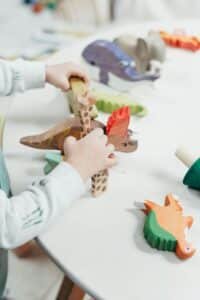
Between birth and age five, a child’s brain is rapidly forming pathways that shape emotional regulation, social skills, and resilience. Play is one of the richest contexts for developing these abilities.
In play, children learn to:
- Share and take turns
- Collaborate and negotiate
- Express themselves
- Manage big feelings
- Develop empathy
A three-year-old offering a friend a toy is practicing kindness. A four-year-old frustrated by a challenging puzzle is learning perseverance. Even conflicts—handled gently and with guidance—teach children vital communication and coping skills.
Our caregivers at Lily Pad Childcare intentionally coach children through these moments. We model problem-solving language, help children recognize emotions, and support positive relationships. These daily interactions build the early foundation for emotional intelligence, confidence, and self-control. If you are looking for more guidance on helping your child work through conflict and build healthy relationships check out Child Mind Institute for building life long skills as they grow.
Play Supports Physical Growth and Motor Skills
Play, especially active play, supports children in growing strong, coordinated bodies. Crawling through tunnels, climbing outdoor structures, squeezing playdough, drawing with crayons, and dancing to music all help strengthen fine and gross motor skills.
Physical development is especially important under age five, when children are forming movement patterns, balance, and coordination that support lifelong health. At Lily Pad Childcare, we encourage active play through outdoor exploration, movement circles, hands-on art, and activities that allow children to move freely and safely. Need more ideas for engaging safe movement at home check out Poppyseed Play.
Play Encourages Independence and Confidence
Children feel most confident when they are given opportunities to practice skills on their own—picking up toys, choosing materials, solving problems, or trying something new. Play creates these moments naturally.
When a child decides how to build a tower or figures out how to share space at a water table, they’re gaining confidence in their abilities. These small accomplishments build a sense of capability and independence that becomes the foundation for later academic and social success.
At Lily Pad Childcare, we promote child-led exploration and celebrate each child’s achievements, big or small. We know confidence grows from experiences, not pressure.
Play Creates Happy, Safe Childhood Memories
One of the most beautiful parts of childhood is the sense of wonder and imagination. Play keeps that spark alive. It gives children joy, laughter, and moments of freedom that shape not just learning, but long-term emotional wellbeing.
We believe childhood should be full of color, curiosity, and connection—and we strive to create that environment each day.
Come Discover the Lily Pad Childcare Difference
If you’re looking for a nurturing place where your child can learn, grow, and play with purpose, we would love to welcome you to the Lily Pad Childcare family. We invite parents to come tour our classrooms, meet our staff, and see firsthand how we create meaningful play experiences that support learning and development.
Schedule a visit today—we’d be honored to be part of your child’s early learning journey.
Tiny Thanks, Big Hearts: Teaching Gratitude at Thanksgiving
Cultivating Gratitude in Young Children: A Thanksgiving Reflection for Parents

It’s almost time for Thanksgiving, when families of all shapes and sizes across the country gather together. As we prepare to celebrate the harvest and our many blessings, we fill our tables with delicious food, laughter, and love. While the holiday is often centered on turkey and pumpkin pie, its deeper purpose is showing gratitude. Gratitude is a powerful value we can nurture in our children year-round. At Lily Pad Childcare, we believe Thanksgiving is a wonderful opportunity for parents to help young children understand and express thankfulness in fun, meaningful ways.
Gratitude isn’t just seasonal this is a lifelong skill that contributes to emotional well-being, empathy, and resilience. In fact, studies show that children who practice gratitude are more optimistic, have stronger relationships, and experience greater happiness. Our child learn by parents and teachers showing them how to recognize and appreciate the good in their lives. We help them develop a positive mindset and a deeper sense of connection to others. This can be seen inside the home and classroom impacting their future and how they build relationships with the world around them.
Making Gratitude Tangible
Of course, young children may not fully understand abstract concepts like thankfulness, but they can learn through simple, hands-on experiences. With that in mind, here are a few ways parents can make gratitude come alive this Thanksgiving:
- Create a Gratitude Tree: First, cut out paper leaves and invite your child to write or draw something they’re thankful for each day leading up to Thanksgiving. Then, hang the leaves on a small branch or tape them to the wall to build a colorful display of appreciation.
- Thankful Jar: Similarly, keep a jar in the kitchen or living room where family members can drop in notes about things they’re grateful for. Later, read them together during Thanksgiving dinner or bedtime.
- Storytime with a Purpose: Additionally, choose books that highlight themes of kindness, sharing, and gratitude. Titles like Bear Says Thanks by Karma Wilson or The Thankful Book by Todd Parr are great for sparking conversations.
- Model Thankfulness: Most importantly, children learn by example. Make it a habit to express gratitude out loud—whether it’s thanking your child for helping with chores or appreciating a sunny day. Your words and actions set the tone.
If you’re interested in even more ideas, check out 40 Meaningful Gratitude Activities for Kids for inspiration.
Thanksgiving Traditions That Teach
Beyond everyday moments, holiday traditions offer rich opportunities to reinforce values. Consider incorporating new ideas into your family’s Thanksgiving traditions-
- Give Back Together: For example, participate in a food drive, donate gently used toys, or bake treats for a neighbor. Involving children in acts of kindness helps them see the impact of generosity.
- Cook with Connection: Invite your child to help prepare a dish for the Thanksgiving meal. While cooking, talk about where the ingredients come from and who will enjoy the food. This builds appreciation for both the process and the people involved.
- Family Gratitude Circle: Just before the meal, go around the table and share one thing each person is thankful for. Encourage your child to be creative even if it’s something simple like their favorite toy or a hug from mom.
Carrying Gratitude Beyond the Holidays
Although Thanksgiving is a natural time to focus on gratitude, the practice doesn’t have to end when the leftovers are gone. There are ways you can practice gratitude year-round start with these simple ideas –
- Starting a weekly “thankful moment” during family dinners
- Encouraging thank-you notes or drawings for teachers, friends, and caregivers
- Reflecting on positive experiences at bedtime
At Lily Pad Childcare, we incorporate gratitude into our daily routines through storytelling, group activities, and positive reinforcement. We invite parents to join us because when children learn to appreciate the world around them, they grow into compassionate, joyful individuals. This Thanksgiving let’s celebrate more than just food and festivities. Let us partner with you to share the values that shape children in their earliest years.

From Crayons to Car Seats: Keeping Kids Safe Every Mile
Let’s Celebrate National Child Safety and Protection Month!
Every November, we observe National Child Safety and Protection Month, which focuses on raising awareness, providing resources, and strengthening the commitment to keeping children safe. At Lily Pad Childcare, safety isn’t just a priority; it is a core part of our values and mission as a childcare center. Safety is integrated into our classroom routines to family partnerships; we believe that protecting children also means educating caregivers. We can all contribute to a safer world for all children. 
What Is National Child Safety and Protection Month?
National Child Safety and Protection Month is dedicated to promoting awareness around all aspects of child safety: physical, emotional, digital, and environmental. At Lily Pad Childcare, we highlight best practices we can use to keep our kids safe in everyday choices by preventing accidents, setting age-appropriate boundaries, and ensuring car seat and transportation safety.
Safety at Home
Young children are naturally curious, which makes home safety a top priority. Here are a few things to think about to reduce risks and promote safe habits:
- Childproofing Essentials: Use outlet covers, cabinet locks, and safety gates to prevent accidents. Keep cleaning supplies, medications, and sharp objects out of reach.
- Safe Sleep Practices: Follow pediatric guidelines for crib safety using a firm mattress, no loose bedding, and placing babies on their backs to sleep.
- Emergency Readiness: Keep emergency numbers visible, install smoke and carbon monoxide detectors, and practice basic fire drills with your child.
At Lily Pad Childcare, we encourage families to share safety tips and ask questions. We believe that open communication builds stronger, safer homes.

Teach Through Play
Preschoolers learn best through play and repetition. That’s why we integrate safety lessons into our daily routines and activities. This is a few steps on how we help children build awareness at Lily Pad Childcare.
- Role-Playing Scenarios: We use puppets and stories to teach children how to respond to situations like getting lost or encountering strangers.
- Classroom Rules and Routines: Clear expectations help children feel secure. We practice walking feet, gentle hands, and listening ears every day.
Our goal is to help children feel confident, respected, and in control of their environment.
Digital Safety for Little Ones
Toddlers and preschoolers are exposed to screens and technology early in development. It is important to develop healthy habits when it comes to using digital devices.
- Limit Screen Time: Follow pediatric guidelines for age-appropriate screen use.
- Choose Quality Content: Opt for educational, ad-free programming designed for young children. Check out PBS Kids games and videos.
- Be Present: Co-view content and talk about what your child sees. This builds media literacy and emotional awareness.
Lily Pad Childcare uses technology thoughtfully, prioritizing hands-on learning and social interaction. When we do use digital tools, we ensure they’re safe, developmentally appropriate, and supervised.
Car Seat Safety: Every Ride Matters
Motor vehicle injuries are a leading cause of preventable death among children, but the right car seat—used correctly—can reduce the risk dramatically. At Lily Pad Childcare, we believe that safety doesn’t stop at the classroom door. It travels with your child every mile.
Here are essential car seat safety tips every family should know:
- Choose the Right Seat: Infants and toddlers should ride in a rear-facing car seat as long as possible, until they reach the maximum height or weight allowed by the seat’s manufacturer.
- Install It Correctly: Whether using a seat belt or lower anchors, ensure the seat is tightly secured. A properly installed seat shouldn’t move more than an inch side-to-side or front-to-back.
- Harness Safety: Straps should lie flat and snug across your child’s shoulders and chest. The chest clip should be at armpit level.
- Avoid Common Mistakes: Never place a rear-facing car seat in front of an active airbag. Always check expiration dates and avoid using seats with unknown crash history.
- Booster Transition: When your child outgrows their forward-facing seat, transition to a booster seat until seat belts fit properly when they’re at least 4 feet 9 inches tall.
We encourage families to schedule car seat checkups and consult certified Child Passenger Safety Technicians for guidance. ABC Daycare also partners with local safety organizations to offer resources and workshops on transportation safety.
Join Us in Celebrating Safety
National Child Safety and Protection Month is more than a calendar event—it’s a reminder that every child deserves to grow up in a safe, loving environment. At ABC Daycare, we’re proud to be part of that mission every day. If you are interested in learning more about events of safety tips, check out Norton Children’s Prevention and Wellness.
Want to learn more about our safety practices? Contact ABC Daycare today, and let’s build a safer future one tiny step at a time.
Sniffle-Free & Strong: Immunity Tips for Cold Season
Building Strong Habits for Healthy Kids
As the leaves fall and the temperatures drop, the cold and flu season starts to creep in. This time of year can mean sniffles, sick days, and lots of tissues for our little preschoolers. At Lily Pad Childcare, we believe prevention starts with learning about healthy habits from a young age so they can last a lifetime. At home, there are other simple ways to help your child learn healthy habits and support their immune system during cold and flu season.

Handwashing: The First Line of Defense
One of the most powerful tools against any illness is proper handwashing. At Lily Pad Childcare, we teach children how and when to wash their hands using fun songs, visual cues, and gentle reminders. We follow the CDC’s handwashing guidelines, which recommend:
- Washing hands with soap and water for at least 20 seconds
- Scrubbing all parts of the hands—front, back, between fingers, and under nails
- Washing before eating, after using the bathroom, after coughing or sneezing, and after playing outside
You can reinforce these habits at home by making handwashing part of your daily routine. Ensure they wash their hands before eating meals or snacks, after using the bathroom, before placing their hands in their mouth, after coughing and sneezing, and after playing outside. Try singing the “ABC” song while scrubbing or singing another fun song. Kids love consistency, and when they see the same habits at home and at daycare, they’re more likely to stick with them.
Flu Prevention Starts with Awareness
The flu virus spreads quickly in group settings, especially among young children. That’s why Lily Pad Childcare takes extra precautions during flu season, including:
- Encouraging families to get annual flu shots
- Teaching kids to cover their coughs and sneezes with tissues or elbows
- Disinfecting toys, surfaces, and shared spaces regularly
The CDC’s flu prevention page recommends flu vaccines for everyone 6 months and older. It’s one of the best ways to protect your child and your community. If your child is showing symptoms like fever, fatigue, or a persistent cough, it’s best to keep them home and consult your pediatrician.

Nutrition and Sleep: Building a Strong Immune System
A healthy immune system starts with a balanced diet and plenty of rest. At Lily Pad Childcare, we support all children having nutritious snacks and meals that include fruits, vegetables, whole grains, and lean proteins. We also build quiet nap time into our daily schedule to help children recharge.
Here is a few things you can try at home to support your child’s health:
- Offer immune-boosting foods like oranges, berries, yogurt, and leafy greens
- Limit sugary snacks and processed foods, which can weaken the immune system
- Stick to a consistent bedtime routine to ensure your child gets 10–12 hours of sleep each night
- Don’t forget to encourage them to drink water to stay Hydration
Physical Activity and Fresh Air
Even in cooler weather, movement matters. Physical activity helps regulate sleep, reduce stress, and strengthen the immune system. At Lily Pad Childcare, we incorporate indoor and outdoor play every day, weather permitting. At home, try to bundle up and take short walks, visit a local park, or play active games indoors. Fresh air and movement are great for both physical and mental health, and for a bonus, this will help burn off that preschooler energy!
Family Habits That Make a Difference
Children learn best by example. When parents and caregivers model healthy habits, kids are more likely to follow suit. Here are a few ways families can help:
- Keep tissues and hand sanitizer accessible at home
- Practice good hygiene together—wash hands, brush teeth, and clean up as a team
- Talk about germs in a simple, non-scary way. Use books or cartoons to explain how staying clean keeps us healthy
- Stay home when sick to prevent spreading illness to others
At Lily Pad Childcare, we partner with families to create a culture of wellness. When we all work together, we can keep our classrooms—and our homes—healthy and happy.
Join Lily Pad Childcare for a Season of Healthy Learning
Cold and flu season doesn’t have to mean constant worry. With strong hygiene habits, smart nutrition, and family engagement, we can help children stay well and thrive. Lily Pad Childcare is proud to offer a safe, nurturing environment where health and learning go hand in hand. Contact us today to learn more about our programs and upcoming family wellness events.
Ghoul-Proof Your Halloween

Fun Without the Fright
Halloween brings lots of delight for preschoolers—imaginative costumes, sweet treats, and just the right amount of spooky fun. At Lily Pad Childcare, we adore this festive season and to share in the excitement with our little learners and their families. While the thrills of Halloween are part of the magic, we also know that safety is top priority. Here are some simple ways to keep Halloween both joyful and safe for your preschooler!
Costume Safety: Comfort Over Characters
Preschoolers love dressing up year-round. Dressing up is a great way to role-play and let their imagination grow. During Halloween time, their costumes should be more than just adorable, but they need to be safe and comfortable, too. Here are a few tips to keep in mind:
- Avoid masks that cover the entire face. Masks can make it hard for children to breathe or block their vision, putting them at increased risk of falling. Instead, look for face paint or accessory use.
- Choose flame-resistant materials. Children should always avoid close contact with open flames, candles or bonfires. For added safety, look for costumes labeled “flame resistant,” like these tips from the Consumer Product Safety Commission.
- Pick the right size! Make sure the costume selected is the correct size. Avoid adding long capes or oversized outfits can cause tripping. Comfortable shoes are a must—leave the princess heels at home!
- Add reflective tape or glow sticks to costumes if you’ll be out after dark. Visibility is crucial for little ones.
- Weather Check. Check the weather before leaving the house to go trick-or-treating. Dress warmly in layers under or over costumes. Check your local news listing for rainchecks and trick-or-treat updates. Looking for more safety tips? Visit Safe Kids Worldwide for a full guide to Halloween safety for young children.
Fun Healthy Treats
We all know Halloween comes with a lot of candy to share! If you’re handing out treats to trick-or-treaters, try giving non-food items like stickers, bubbles, or glow bracelets. They’re allergy-friendly and just as exciting!
Offer a variety of healthy festive treats to provide to your little preschooler with lots of energy. Offer your preschooler to join you in the kitchen to help make nutritious and festive treats!
- Fruit and vegetable Halloween shapes. Use cookie cutters to make fun Halloween shapes like ghosts and pumpkins using melons, cucumbers or apple slices.
- Mini cheese sticks wrapped like mummies with a strip of whole wheat tortilla and edible eyes are both spooky and satisfying.
- Pumpkin muffins or banana ghost pops are great homemade options that balance sweetness with nutrition. Check out these healthy Halloween snack ideas from EatingWell.

Want to be part of the fun?
Contact Lily Pad Childcare today to learn more about our fall family engagement events and how your child can thrive in our nurturing, creative environment. Let’s make this Halloween a treat for everyone—no tricks required!